
Archives

Avoid Hiring Agencies That String You Along with Test Tasks

The job search process can be stressful, especially when dealing with hiring agencies. While some agencies genuinely aim to help candidates secure jobs, others might take advantage of job seekers by assigning numerous tasks, only to ghost them or leave them hanging with no feedback. These agencies can waste your […]

The job search process can be stressful, especially when dealing with hiring agencies. While some agencies genuinely aim to help candidates secure jobs, others might take advantage of job seekers by assigning numerous tasks, only to ghost them or leave them hanging with no feedback. These agencies can waste your time, energy, and sometimes even your skills. To help you avoid being strung along, here are a few warning signs and tips on how to protect yourself.

1. Too Many Unpaid Test Tasks

One of the most common ways an agency might string you along is by assigning multiple test tasks. These tasks are often time-consuming and unpaid. In some cases, companies may use these tasks as free labor, benefiting from your hard work without any intention of hiring you. If you find yourself repeatedly completing tasks with little to no feedback or outcome, it’s time to reconsider your relationship with that agency.

What to watch out for:

  • Multiple tasks: Completing a small assignment to showcase your skills is normal, but if you’re being asked to complete several tasks for free, you may be wasting your time.
  • No clear end: If the agency can’t give you a solid timeline or explain how many steps are in the process, that’s a red flag.

What to do:

  • After completing one or two tasks, politely ask when you can expect a decision or next steps. If they’re evasive, consider cutting ties.
  • If the tasks seem overly complex or unrelated to the role, question whether they’re using your skills for free labor.

2. Vague Communication or Constant Delays

Agencies stringing candidates along often engage in vague communication, leaving you in the dark about your status. They may promise to “get back to you soon” or say they’re “waiting to hear from the client” but fail to give you concrete timelines. This can lead to endless waiting without clarity.

What to watch out for:

  • Lack of specific timelines: They tell you decisions will be made “soon” but never define what “soon” means.
  • Delayed feedback: If you finish tasks but get minimal or no feedback over long periods, the agency might not be prioritizing you.

What to do:

  • Set boundaries on your availability. After the first few delays, give a clear timeline for when you expect a response. If they don’t meet it, move on.
  • Ask for regular updates or clarity on the hiring timeline. Agencies that respect your time will provide these.

3. Unclear Hiring Process

If the hiring process seems unnecessarily long, confusing, or undefined, the agency might be stringing you along. A well-run hiring process will have clear steps, such as interviews, test tasks, and final decisions. If the agency can’t explain these steps, it’s likely they’re disorganized—or worse, they might not have real opportunities lined up for you.

What to watch out for:

  • No clear hiring process: If they can’t outline the stages of the interview process, they may not have a plan.
  • Shifting requirements: If they keep changing the role description, qualifications, or required tasks, they could be trying to squeeze free work out of you.

What to do:

  • Before committing to multiple tasks, ask for a detailed explanation of the entire process.
  • If they’re reluctant or vague in their answers, consider looking elsewhere. Transparency is a sign of professionalism.

4. The Job Doesn’t Seem Real

Some hiring agencies will string along candidates for jobs that don’t even exist. In these cases, they’re collecting your personal data, portfolio, and perhaps even free labor to pad their client roster or look good on paper. If the job listing or agency seems fishy, you should proceed with caution.

What to watch out for:

  • No clear job listing: If they can’t point you to a specific job listing or share job details, the position may not exist.
  • Too many “interested parties”: If they constantly tell you other candidates are being considered but never progress with your application, it could be a tactic to keep you on the hook.

What to do:

  • Research the agency’s reputation. Look for online reviews, ask about them on forums, and check LinkedIn for employees or former clients.
  • Ask for direct contact with the hiring company. A legitimate job will often allow you to eventually connect with someone from the business itself.

5. No Contract or Agreement for Long-Term Assignments

When a hiring agency asks you to commit significant time to a task or project without offering any form of contract, it’s a major red flag. Agencies that respect their candidates will provide clear agreements outlining expectations, timelines, and compensation when applicable.

What to watch out for:

  • No written agreement: If the task involves more than a couple of hours, there should be a contract in place.
  • Vague project requirements: If the project brief is unclear and you’re unsure of what’s expected of you, it might be an indication that they don’t value your time.

What to do:

  • Ask for a contract or freelance agreement if the task requires considerable time or effort. If they refuse, it’s time to move on.
  • Clarify upfront if the task is paid or unpaid, and be cautious of agencies that ask for too much free work.

How to Protect Yourself

Now that you know the warning signs, here are a few tips on how to safeguard your time and energy:

  1. Do your research: Before working with any agency, look them up online. See if they have positive reviews and testimonials from other job seekers. Check sites like Glassdoor or LinkedIn for insights.
  2. Set boundaries: You have every right to protect your time. Make sure you have clear expectations from the agency regarding timelines, tasks, and hiring steps.
  3. Track your work: If you’re doing test tasks, keep a record of what you’ve completed, including dates and details. This can help you identify patterns and avoid situations where your work isn’t valued.
  4. Don’t be afraid to walk away: If something feels off or the process is dragging on too long, trust your instincts. There are plenty of agencies and companies out there that will treat you with respect.

In conclusion, while hiring agencies can be helpful, it’s important to be cautious of those that string candidates along. Avoid Hiring Agencies That String You Along with Test Tasks. By paying attention to red flags, setting clear expectations, and protecting your time, you can avoid getting caught up in endless test tasks that go nowhere. Stay vigilant, and don’t let anyone take advantage of your talents for free!

Posted in General, General Tech InformationTagged , Leave a Comment on Avoid Hiring Agencies That String You Along with Test Tasks

The Importance of Core Web Vitals and Their Impact on Google Search Algorithms

In the fast-paced digital age, website performance is crucial for delivering a great user experience. Whether you run an e-commerce platform, a blog, or a corporate website, ensuring that your site is fast, responsive, and user-friendly is key to attracting and retaining visitors. One of the most critical aspects of […]

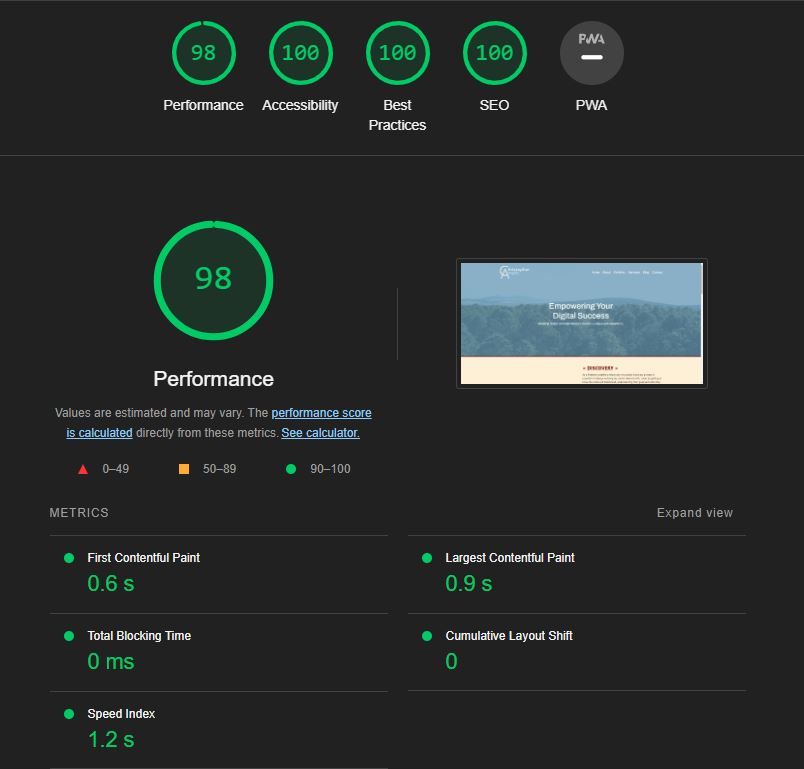
In the fast-paced digital age, website performance is crucial for delivering a great user experience. Whether you run an e-commerce platform, a blog, or a corporate website, ensuring that your site is fast, responsive, and user-friendly is key to attracting and retaining visitors. One of the most critical aspects of website performance is Core Web Vitals, a set of specific factors that Google considers important for the overall user experience. These vitals have become an essential part of Google’s ranking algorithms, directly influencing your site’s visibility in search results. Let’s explore why Core Web Vitals are so important and how they impact your website’s performance in Google search. Core Web Vitals and Impact on Google Search Algorithms.

What Are Core Web Vitals?

Core Web Vitals are a set of metrics introduced by Google to measure key aspects of user experience on a website. They focus on three primary elements:

  1. Largest Contentful Paint (LCP): This measures the loading performance of your site. Specifically, it tracks the time it takes for the largest piece of content (such as an image or text block) to load and become visible to users. An ideal LCP is 2.5 seconds or faster.
  2. First Input Delay (FID): FID measures interactivity, tracking the time it takes for your site to respond to the first interaction from a user, like clicking a link or tapping a button. A good FID is less than 100 milliseconds.
  3. Cumulative Layout Shift (CLS): CLS measures visual stability, ensuring that the layout of your page doesn’t shift unexpectedly as elements load. A low CLS score (less than 0.1) is ideal to prevent content from moving around unexpectedly, which can frustrate users.

Why Core Web Vitals Matter

  1. User Experience: Core Web Vitals directly impact the user experience. A website that loads quickly, responds promptly, and remains visually stable keeps users engaged and reduces bounce rates. Poor performance in these areas can lead to a frustrating experience, causing visitors to abandon your site and potentially turn to competitors.
  2. SEO and Google Search Rankings: Google has integrated Core Web Vitals into its search algorithms, meaning that these metrics directly affect your site’s ranking in search results. Websites that perform well on Core Web Vitals are more likely to rank higher, which can significantly boost organic traffic. Conversely, poor performance can result in lower rankings, making it harder for potential visitors to find your site.
  3. Mobile-First Indexing: With the rise of mobile browsing, Google has shifted to mobile-first indexing, meaning it primarily uses the mobile version of your site for ranking and indexing. Core Web Vitals play a crucial role in ensuring that your mobile site performs well, providing a seamless experience for users on smartphones and tablets.
  4. Conversion Rates: A well-performing site not only improves user experience but also has a direct impact on conversion rates. Faster load times and responsive interactions can lead to higher conversions, whether it’s completing a purchase, filling out a form, or signing up for a newsletter. Studies have shown that even a one-second delay in page load time can lead to a significant drop in conversions.
  5. Competitive Advantage: In a crowded online marketplace, standing out is essential. By optimizing your Core Web Vitals, you gain a competitive edge over sites that may not prioritize these metrics. This advantage can lead to better rankings, more traffic, and ultimately, more business.

How to Improve Your Core Web Vitals

Improving Core Web Vitals requires a combination of technical optimization and content strategy:

  1. Optimize Images and Media: Ensure that images are properly compressed and use next-gen formats like WebP. Lazy loading can help prioritize content that needs to be displayed first.
  2. Minimize JavaScript: Excessive or poorly optimized JavaScript can delay your site’s interactivity. Minify and defer non-essential scripts to improve FID.
  3. Improve Server Response Times: A slow server can increase your LCP. Consider upgrading your hosting plan, using a Content Delivery Network (CDN), and optimizing your server settings to reduce response times.
  4. Use a Responsive and Stable Layout: Ensure your site’s layout is responsive across devices and screen sizes. Avoid sudden shifts in content by setting explicit size attributes for images and media.
  5. Monitor and Test Regularly: Use tools like Google PageSpeed Insights, Lighthouse, or Search Console to regularly monitor your Core Web Vitals. Continuous testing and optimization are key to maintaining a high-performing site.

Core Web Vitals and Impact on Google Search Algorithms. Core Web Vitals are not just another set of metrics; they are integral to your website’s success in today’s digital landscape. By focusing on these key performance indicators, you not only improve user experience but also enhance your site’s visibility and rankings on Google. In a world where seconds matter, investing in optimizing your Core Web Vitals can lead to better user engagement, higher conversion rates, and a strong competitive edge in search engine results. As Google continues to prioritize user experience, ensuring that your site meets or exceeds these standards is crucial for long-term success.

Posted in General, General Tech InformationTagged , , , , Leave a Comment on The Importance of Core Web Vitals and Their Impact on Google Search Algorithms

Truth Behind Fake Job Listings: Are Companies Really Thriving?

In today’s highly competitive job market, securing a position with a reputable company can feel like finding a needle in a haystack. But what if that needle was never there in the first place? Increasingly, job seekers are discovering that some job listings are nothing more than smoke and mirrors, […]

In today’s highly competitive job market, securing a position with a reputable company can feel like finding a needle in a haystack. But what if that needle was never there in the first place? Increasingly, job seekers are discovering that some job listings are nothing more than smoke and mirrors, designed to project an image of a thriving company. This practice not only wastes the time and effort of countless applicants but also raises ethical questions about corporate transparency and integrity. Truth Behind Fake Job Listings: Are Companies Really Thriving?

The Rise of Fake Job Listings

Fake job listings are not a new phenomenon, but their prevalence seems to be increasing. There are several reasons why companies might engage in this deceptive practice:

  1. Image Management: Companies want to appear successful and growing, even when they are not. By posting job openings, they create an illusion of expansion and prosperity.
  2. Market Research: Some companies post fake jobs to gauge the talent pool. This allows them to understand the current market conditions and candidate expectations without any intention of hiring.
  3. Database Building: Companies might collect resumes for future use. This way, they have a pool of potential candidates ready whenever a real position becomes available.
  4. Pressuring Current Employees: Posting job listings can create a sense of job insecurity among current employees, making them work harder to retain their positions.

The Impact on Job Seekers

The consequences of this unethical practice are far-reaching, particularly for job seekers:

  • Wasted Time and Effort: Applicants spend considerable time tailoring their resumes, writing cover letters, and preparing for interviews, only to find out that the job never existed.
  • Emotional Toll: Repeatedly applying for jobs without success can lead to frustration, anxiety, and a sense of hopelessness.
  • Erosion of Trust: When job seekers discover fake listings, it diminishes their trust in companies and the job market as a whole.

Spotting a Fake Job Listing

While it can be challenging to identify fake job listings, there are some red flags to watch out for:

  • Vague Job Descriptions: Listings that lack specific details about the role, responsibilities, and qualifications may be suspicious.
  • Generic Company Information: Be wary of companies that provide little information about themselves or use generic contact details.
  • High Volume of Listings: If a company frequently posts numerous job openings but has a low rate of hiring, it might be a sign of fake listings.
  • Unusual Urgency: Jobs that demand immediate hiring without a proper selection process can be suspect.

Holding Companies Accountable

It’s essential to hold companies accountable for posting fake job listings. Here are some steps that can be taken:

  • Report Suspicious Listings: Job seekers can report dubious job postings to job boards and professional networks.
  • Regulatory Oversight: Stronger regulations and oversight can help ensure that companies are transparent and truthful in their job postings.
  • Corporate Accountability: Encouraging companies to adopt ethical hiring practices and being transparent about their recruitment processes can build trust.

Truth Behind Fake Job Listings: Are Companies Really Thriving? Fake job listings are a deceptive practice that undermines the integrity of the job market and exploits job seekers. By understanding the motivations behind these listings and learning how to spot them, we can better navigate the job market and advocate for greater transparency and ethical behavior from companies. It’s time to hold companies accountable and ensure that job seekers are treated with the respect and honesty they deserve.

Posted in Careers, GeneralTagged , , , , Leave a Comment on Truth Behind Fake Job Listings: Are Companies Really Thriving?

Coinbase Smart Wallet – A Comprehensive Guide

In the rapidly evolving world of cryptocurrency, staying ahead of the curve means having the right tools at your disposal. Enter the Coinbase Smart Wallet, a game-changer in the realm of digital asset management. This blog post will guide you through what makes the Coinbase Smart Wallet special and how […]

In the rapidly evolving world of cryptocurrency, staying ahead of the curve means having the right tools at your disposal. Enter the Coinbase Smart Wallet, a game-changer in the realm of digital asset management. This blog post will guide you through what makes the Coinbase Smart Wallet special and how you can use it to streamline your crypto experience. Coinbase Smart Wallet – A Comprehensive Guide.

What is the Coinbase Smart Wallet?

The Coinbase Smart Wallet is an innovative digital wallet designed to provide a seamless, secure, and efficient way to manage your cryptocurrencies. Unlike traditional wallets, the smart wallet leverages advanced features such as decentralized finance (DeFi) integrations, multi-chain support, and enhanced security measures to offer users greater control and versatility.

Key Features

  1. Multi-Chain Support
    • The wallet supports multiple blockchain networks, allowing users to store, manage, and transact a diverse range of cryptocurrencies all in one place.
  2. DeFi Integrations
    • Direct access to DeFi platforms enables users to participate in staking, lending, and yield farming without leaving the wallet interface.
  3. Enhanced Security
    • With features like biometric authentication, multi-factor authentication (MFA), and advanced encryption, your assets are safeguarded against unauthorized access.
  4. User-Friendly Interface
    • Designed with both beginners and seasoned traders in mind, the wallet’s intuitive interface simplifies the process of managing digital assets.
  5. NFT Support
    • Store and manage non-fungible tokens (NFTs) alongside your cryptocurrencies, making it easier to keep track of all your digital assets.

How to Get Started with the Smart Wallet

Step 1: Download and Install the Wallet

First, download the Coinbase Smart Wallet app from the App Store (iOS) or Google Play Store (Android). Once installed, open the app and follow the on-screen instructions to create a new wallet or import an existing one.

Step 2: Setting Up Your Wallet

  • Creating a New Wallet: If you’re new to Coinbase, select “Create a New Wallet.” You’ll be prompted to set up a strong password and enable biometric authentication (if supported by your device) for added security.
  • Importing an Existing Wallet: If you already have a Coinbase wallet, choose “Import Wallet” and follow the instructions to transfer your existing wallet data securely.

Step 3: Securing Your Wallet

Security is paramount. Ensure you back up your recovery phrase—a series of 12-24 words that serve as a backup to restore your wallet. Write these words down and store them in a safe place. Never share your recovery phrase with anyone.

Step 4: Adding Funds

To start using your wallet, you’ll need to add funds. Tap the “Add Funds” button and choose your preferred method:

  • Deposit Cryptocurrency: Transfer crypto from another wallet or exchange.
  • Buy Cryptocurrency: Use your linked bank account or credit card to purchase crypto directly through the wallet.

Step 5: Exploring Features

  • Sending and Receiving Crypto: Tap on the “Send” or “Receive” button, enter the required details (like wallet address and amount), and confirm the transaction.
  • Accessing DeFi Services: Navigate to the DeFi section to explore and interact with various DeFi protocols. You can stake tokens, participate in liquidity pools, or borrow/lend assets directly from the wallet.
  • Managing NFTs: Go to the NFT section to view, send, and receive your NFTs. The wallet provides a visual display of your NFT collection, making it easy to manage your digital art and collectibles.

Tips for Using the Smart Wallet

  1. Regularly Update the App: Ensure you’re using the latest version of the app to benefit from new features and security updates.
  2. Monitor Network Fees: Crypto transactions can incur network fees, which can vary based on network congestion. Always check fees before confirming transactions.
  3. Stay Informed: Keep up with the latest updates and features from Coinbase by following their blog and social media channels.

Conclusion

Coinbase Smart Wallet – A Comprehensive Guide. The Coinbase Smart Wallet represents a significant leap forward in digital asset management, combining robust security, multi-chain support, and seamless DeFi integration into a user-friendly package. Whether you’re a crypto novice or a seasoned investor, the Coinbase Smart Wallet offers the tools you need to manage your digital assets efficiently and securely. Start your journey today and unlock the full potential of your cryptocurrency investments.

Posted in Coinbase, Crypto, Cryptocurrency, GeneralTagged , , , , ,

Anticipating the Next Solar Eclipse on the East Coast of the United States

Every so often, nature treats us to a spectacle that transcends our everyday experiences. One such phenomenon is the solar eclipse, a cosmic ballet where the moon momentarily obscures the sun, casting a shadow over the Earth below. For skywatchers and astronomers alike, witnessing a solar eclipse is a thrilling […]

Every so often, nature treats us to a spectacle that transcends our everyday experiences. One such phenomenon is the solar eclipse, a cosmic ballet where the moon momentarily obscures the sun, casting a shadow over the Earth below. For skywatchers and astronomers alike, witnessing a solar eclipse is a thrilling event, blending science with wonder in equal measure. Anticipating the Next Solar Eclipse on the East Coast of the United States.

While solar eclipses occur with regularity, the opportunity to witness one from a specific location can be rare. For those residing on the East Coast of the United States, the anticipation of the next solar eclipse is palpable. So, when can we expect to see the skies darken and behold the celestial drama unfold?

The last total solar eclipse visible from the contiguous United States occurred on August 21, 2017, carving a path of totality from the Pacific to the Atlantic coast. Millions of Americans donned special eclipse glasses or crafted pinhole projectors to safely observe this awe-inspiring event. The next total solar eclipse to sweep across North America will take place on April 8, 2024, tracing a path from Mexico’s Pacific coast through Texas, the Midwest, and ultimately reaching the eastern seaboard.

For East Coast residents, April 8, 2024, promises to be a day of celestial grandeur. As the moon’s shadow races across the landscape, cities like New York, Philadelphia, and Boston will experience moments of darkness in the middle of the day. The opportunity to witness the sun’s corona shimmering around the moon’s silhouette is a rare privilege that captivates seasoned astronomers and curious bystanders alike.

Planning for such an event requires precision and foresight. Amateur astronomers and eclipse enthusiasts will meticulously study maps and weather forecasts, seeking the optimal location for viewing. Coastal cities may contend with the unpredictable nature of maritime weather, while inland locales offer clearer skies but may face logistical challenges due to population density.

Regardless of the chosen vantage point, experiencing a solar eclipse is a communal affair. Parks, observatories, and public spaces become gathering points for enthusiasts eager to share in the spectacle. Photographers set up their equipment, hoping to capture the ethereal beauty of the sun’s corona against the darkened sky. Families gather, passing around eclipse glasses and marveling at the wonders of the universe.

Beyond the aesthetic allure, solar eclipses provide valuable opportunities for scientific research. Astronomers seize the moment to study the sun’s outer atmosphere, probing its mysteries and deepening our understanding of stellar physics. Citizen scientists contribute observations and data, enriching our collective knowledge and fostering a sense of shared discovery.

Anticipating the Next Solar Eclipse on the East Coast of the United States. As the date approaches, excitement builds, and anticipation mounts. The next solar eclipse on the East Coast of the United States is not merely an astronomical event; it is a reminder of our place in the cosmos, a chance to glimpse the sublime beauty and complexity of the universe. So mark your calendars, prepare your viewing gear, and get ready to witness nature’s grandest spectacle unfold against the backdrop of the Atlantic horizon.

Posted in Astronomy, GeneralTagged , , , , , Leave a Comment on Anticipating the Next Solar Eclipse on the East Coast of the United States